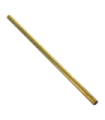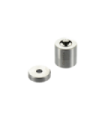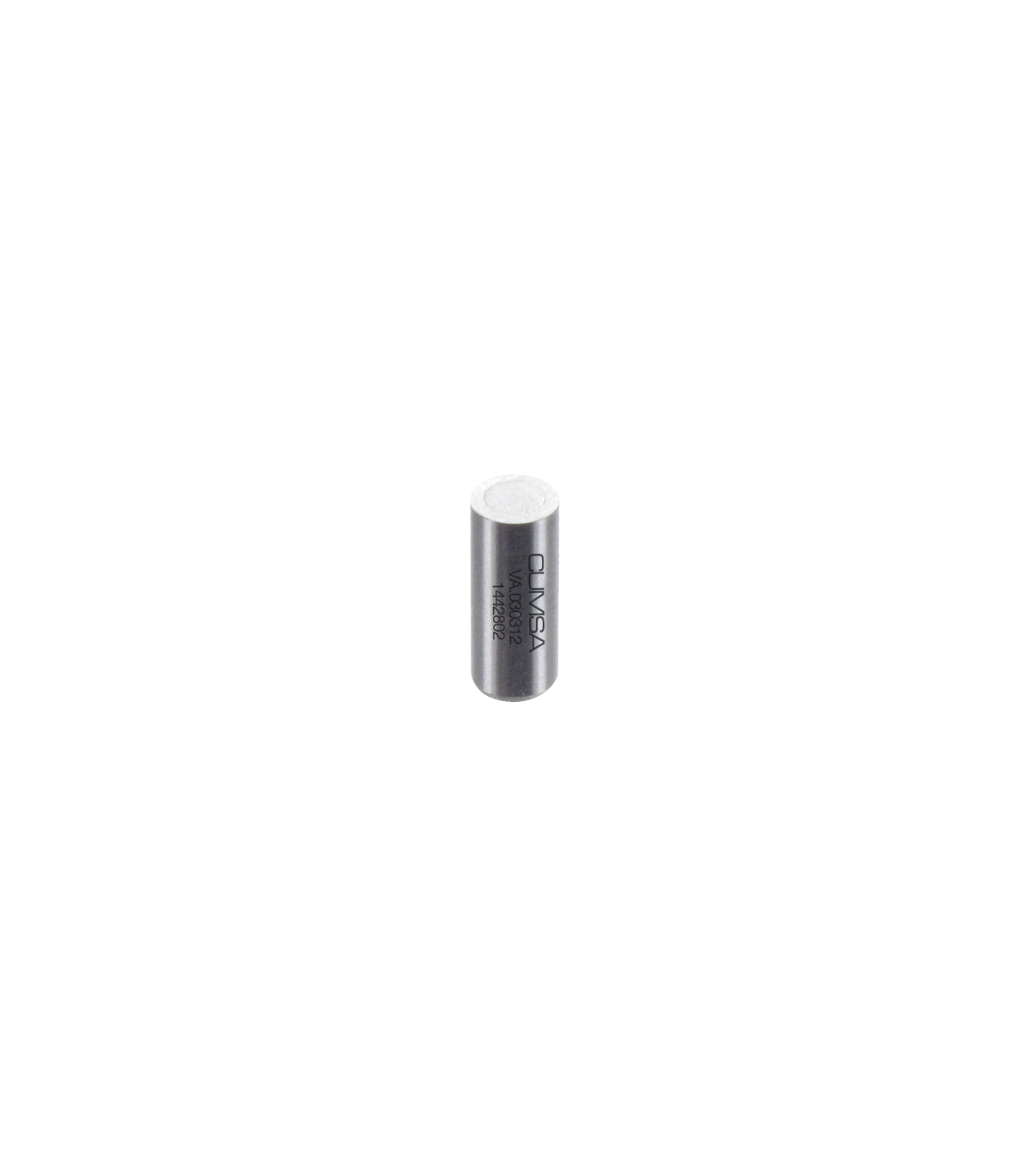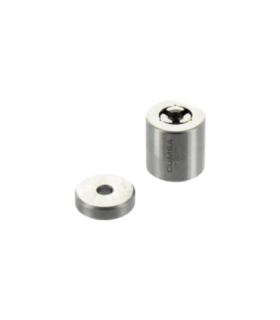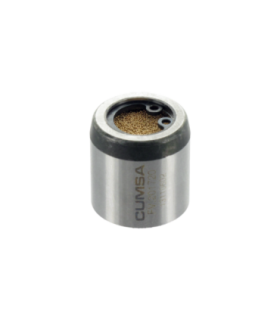

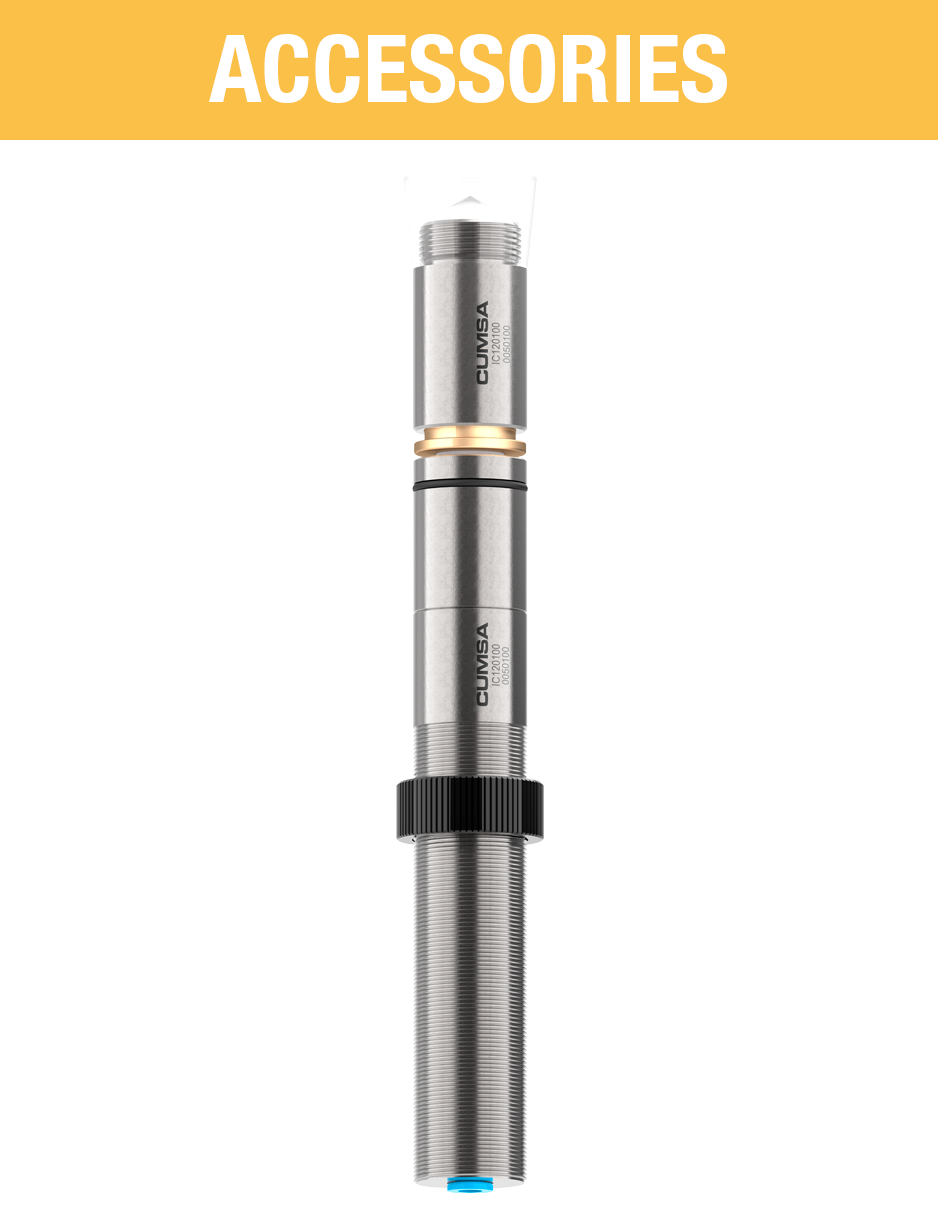















Provides efficient pneumatic ejection of plastic parts. A precise and versatile component that continues to make a difference in the industry. Standard solution adaptable to any type of mold or cavity.
- Made of hardened stainless steel, guaranteeing smooth and long-lasting performance.
- It incorporates an internal mechanical stop that limits the opening to ensure a long and reliable use.
- Designed to withstand injection pressure up to 1.200BAR and temperatures up to 150ºC / 302ºF, offering optimum functionality even under the most rigorous conditions.
- Smooth, rust-free venting, making it ideal for demanding industries.
- Its simplified press-fit installation into a round housing can be quickly removed with an ejector pin.
- Faster and more straightforward ejection: optimizes cycle times and improves mold efficiency.
- Available in 8 different sizes (3, 5, 6, 8, 10, 12, 16 and 20mm).
- New 3mm size perfect for smaller molds, further expanding the versatility of this CUMSA classic which has been a market reference for more than 30 years.
What is the maximum temperature that an Air Valve can withstand?
We recommend working under 150°C (302°F). Above that temperature, steel starts dilatation, so the resort introduced on the Air Valve would lose efficiency. If so, the plastic material could go in and the Air Valve would be damaged.
What is the maximum air pressure that can be used?
10Bars (145 psi).
Can I remove the valve from the tool?
Yes, on our catalogo page we indicate the size of the hole (E dimension) to be made before installing, the valve can then be removed using the appropiate ejector.
On the smaller diametres (5 & 6) extra care needs to be taken to remove the part slowly, knocking softly to avoid damage to the internal mechanisms.
Is there any limitation on the position of the valves in the mold?
The valve should not be installed below the injection point. In that position the high temperatures and pressure could negatively influence the valve components and decrease their lifetime.